
What Dietitians Really Think About the Updated Food Guide
Take Control Staff
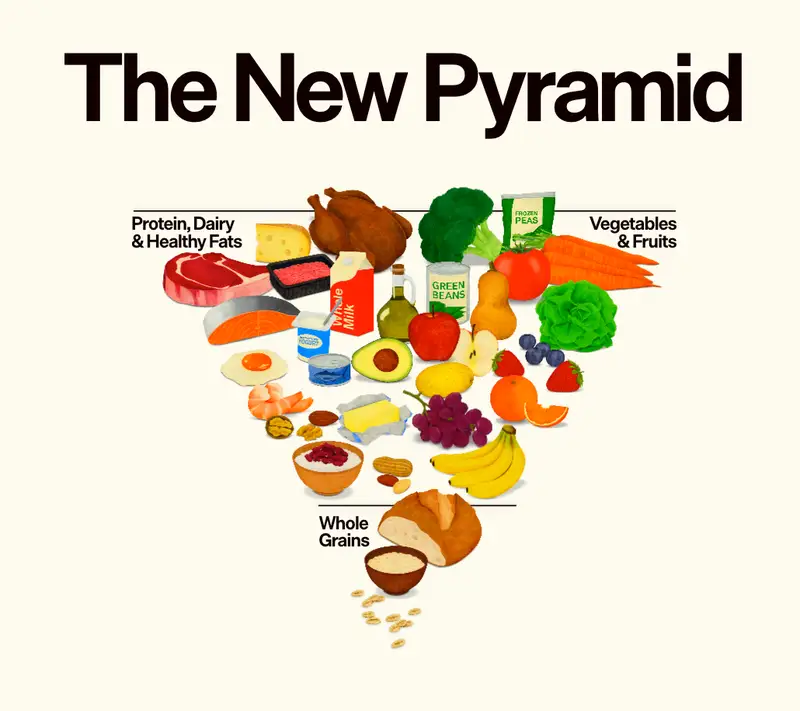
The updated Dietary Guidelines for Americans were recently released, creating buzz around the new graphic and some of the recommendations. The real issue isn’t the graphics or buzz, it is how well the guidance works in the kitchens, grocery stores, and daily routines of real people.
The goal of the dietary guidelines is to translate complex nutrition science into simple, practical guidance that helps Americans make healthier food choices. Turning evolving research into a single framework that works for everyone is a huge task.
While the most recent update includes some positive changes, there are still areas where we believe the messaging could be clearer and more practical for everyday use. As dietitians, we believe nutrition guidance should not only reflect the latest science but also provide straight forward, realistic direction that helps people make sustainable choices in their daily lives.
We work with clients every day and see both the strengths of the updated guidance and the areas where they could be clearer in practice. Below are a few things the food guide gets right—and where it could be improved.
What the New Food Guide Pyramid Gets Right
Emphasis on Less Processed Foods
One of the most encouraging shifts is the focus on urging Americans to reduce their intake of highly processed foods and prioritize whole foods. Emphasizing fruits, vegetables, legumes, whole grains, and minimally processed proteins aligns with research showing that eating whole-foods are linked to better long-term health, and reductions in chronic illness. This shift also helps move the conversation away from focusing solely on individual nutrients and towards building healthier overall eating patterns.
Recognition That Frozen and Canned Foods Count
Another strength is the acknowledgment that healthy eating does not require everything to be fresh. Frozen fruits and vegetables, canned beans, and other shelf-stable foods can be nutritious, affordable, and convenient options.
Including these foods in the guidance helps make healthy eating more realistic for families balancing busy schedules, limited budgets, or limited access to fresh foods.
Greater Focus on Whole Grains
The stronger emphasis on whole grains over refined grains is another positive step. Whole grains provide fiber and important nutrients that many Americans are currently lacking.
Whole grains such as oats, brown rice, quinoa, and whole-grain breads support digestive health, blood sugar balance, and overall nutrient intake.
Encouraging Healthy Fats
Nutrition science has moved beyond the “low-fat at all costs” approach that dominated nutrition messaging in past decades. Current guidance recognizes the importance of healthy fats from whole-food sources such as nuts, seeds, avocados, and plant oils, which support heart health and overall nutrition.
Where the Guidance Could Be Clearer
It Can Be Difficult for the Public to Interpret
While the goal of the guidelines is simplicity, the food guide graphic can be challenging for many people to translate into meals and portion sizes. Unlike MyPlate, which visually divides a plate into sections representing fruits, vegetables, grains, and proteins, the new food guide emphasizes dietary patterns rather than concrete portions.
The new graphic does not provide specific serving sizes, calorie ranges, or macronutrient targets, leaving individuals to interpret how much of each food group they should eat. Someone may know they should eat “more whole grains” or “include healthy fats,” but without clear guidance, it can be difficult to translate that into breakfast, lunch, or dinner plans. For many people, practical examples of balanced meals and portion sizes are crucial for applying nutrition recommendations.
Limited Recognition of Cultural and Lifestyle Differences
Although the guidelines are designed to apply broadly, the framework can feel a bit one-size-fits-all. People eat in ways shaped by culture, traditions, personal preferences, and lifestyle factors. Nutrition guidance often works best when it clearly acknowledges and incorporates diverse dietary patterns.
Fiber Isn’t Emphasized Enough
Fiber remains one of the most under-consumed nutrients in the United States. Increasing intake of fiber-rich foods—such as beans, lentils, whole grains, fruits, vegetables, and seeds—can have major benefits for digestive health, blood sugar regulation, and heart health. Stronger messaging around fiber would help address this critical nutritional gap.
We take a deeper dive into fiber intake and how to increase it here.
Mixed Messaging Around Saturated Fat
The guidelines continue to recommend limiting saturated fat to about 10% of daily calories, which aligns with research on heart health. However, the recommendations include foods that naturally contain higher amounts of saturated fat, such as certain cuts of meat and full-fat dairy products. Without information on portion sizes, this can be confusing and encourage over consumption of this type of fat.
Risk of Overly Rigid Messaging Around Sugar
Recommendations to limit added sugar, particularly for children, are intended to support long-term health. However, strict interpretations can sometimes lead to overly rigid food rules. For many families, helping children develop a balanced and healthy relationship with food is just as important as meeting specific nutrient targets.
The Bottom Line
The Dietary Guidelines play an important role in shaping how Americans think about food and health. Overall, we support the emphasis on whole foods, balanced eating patterns, and reducing reliance on highly processed foods.
At the same time, nutrition guidance works best when it is clear, flexible, and practical for real life. Stronger messaging around fiber, clearer explanations of fat recommendations, and greater recognition of diverse eating patterns could make these guidelines even more useful.
Ultimately, healthy eating is less about following a perfect graphic and more about building sustainable habits that meet your unique needs while providing variety, balance, and enjoyment over time.
